Dealing with roof damage after a severe storm is stressful enough without the added pressure of handling complex insurance paperwork. You might feel overwhelmed seeing shingles in your yard or water spots on your ceiling. If a storm, fallen tree, or other covered event has damaged your roof in Ohio, your homeowner’s insurance policy likely covers the cost of storm damage repair or replacement.
The claims process often feels confusing. A single mistake early on can result in a denied claim or a settlement that leaves you paying thousands out of pocket. We have guided countless homeowners through this exact situation.
This guide breaks down exactly how to file a roof insurance claim in Ohio. We will cover the specific state regulations that protect you and the practical steps to ensure you get the full coverage you deserve.
Understanding Your Ohio Homeowner’s Insurance Policy
You need to know what you are looking at before you call your agent. Most standard homeowner’s insurance policies in Ohio cover roof damage caused by sudden, accidental events. These “covered perils” typically include hail, windstorms, fallen trees, fire, and vandalism.
Insurance generally does not cover damage resulting from age or lack of maintenance. An adjuster will deny your claim if they determine the roof failed because it was 25 years old and neglected rather than because of last week’s storm.
Key Policy Terms to Know
Deductible This is the amount you pay out of pocket before insurance pays a dime. In Ohio, most homeowner deductibles range from $500 to $2,500. Some policies now carry a percentage-based deductible for wind or hail (often 1% or 2% of the home’s insured value), which can be significantly higher than a flat-rate deductible.
Actual Cash Value (ACV) An ACV policy pays the current, depreciated value of your roof. If your roof is 15 years old, the insurance company deducts value for those 15 years of usage. You will likely have a large out-of-pocket expense to cover the difference between the check they write and the cost of a new roof.
Replacement Cost Value (RCV) This coverage pays the full cost to replace your roof with new materials of similar quality. We always recommend RCV policies because they cover the gap that depreciation creates.
Check your declarations page immediately to see which coverage you have. The difference in payout between an ACV and RCV policy can easily exceed $10,000 on a standard residential roof.
| Feature | Actual Cash Value (ACV) | Replacement Cost Value (RCV) |
|---|---|---|
| Payout Basis | Depreciated value (Age is deducted) | Current market cost to replace |
| Out-of-Pocket Cost | High (Deductible + Depreciation) | Low (Deductible only) |
| Premium Cost | Typically lower monthly premiums | Higher monthly premiums |
| Best For | Older homes or budget-focused plans | Maximum financial protection |
The “Matching Statute” Advantage in Ohio
Ohio homeowners have a distinct advantage thanks to Ohio Administrative Code 3901-1-54. This regulation states that if an insurer replaces damaged items (like shingles) and the new materials do not reasonably match the existing ones in sight, the insurer must replace the entire area.
We frequently use this code to help homeowners get a full roof replacement rather than a patch job. If your shingles are discontinued or faded and cannot be matched, the insurance company may be required to pay for a whole new roof to ensure a uniform appearance.
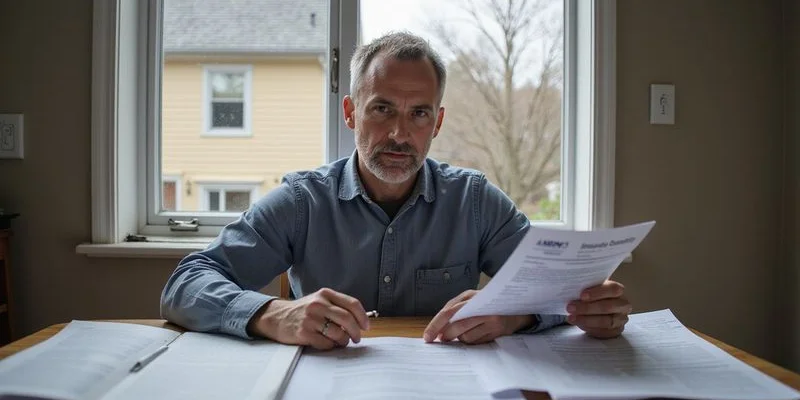
Step 1: Document the Damage Immediately
You must start collecting evidence the moment you notice damage or after a storm passes through Lancaster. Thorough documentation is the single most important factor in disputing a low settlement later.
Take Detailed Photos and Video Capture the damage from the ground and, if safe, from a ladder. You want wide shots that show the house number and the roof in the same frame to prove location. Get close-up shots of missing shingles, dents in downspouts (a clear sign of hail), and any debris.
Note the Date and Time Record exactly when the damage occurred. Insurance policies differ, but Ohio law generally supports a one-year statute of limitations for filing property damage claims. Waiting too long can give the insurer grounds to argue the damage is from “wear and tear” rather than a specific storm event.
Save Weather Reports Pull up weather data for your specific zip code on the date of the loss. We use reports from the National Weather Service or local archives to correlate the damage with specific wind speeds or hail sizes. This objective data makes it hard for an insurer to argue the storm wasn’t severe enough to cause damage.
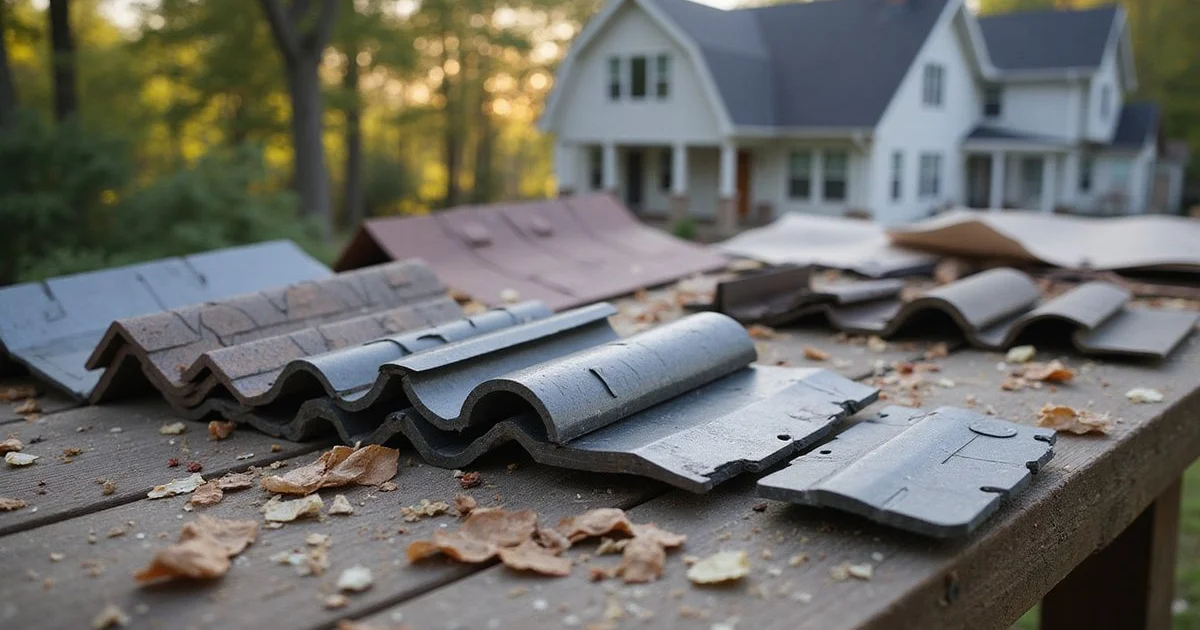
Keep Damaged Materials Do not throw away fallen shingles or pieces of siding. These physical items serve as primary evidence. Stack them neatly in a corner of your yard or garage until the adjuster reviews them.
Step 2: Prevent Further Damage
Ohio law and your insurance policy impose a “duty to mitigate” on you as the homeowner. This means you must take reasonable steps to stop the damage from getting worse. Neglecting this duty can allow the insurer to deny coverage for subsequent interior water damage.
Take these temporary measures if your roof is leaking:
- Place heavy-duty tarps over exposed roof decking.
- Use buckets to catch active drips in the attic or living spaces.
- Move furniture and electronics away from the affected area.
- Board up broken windows or openings.
Important Warning Do not make permanent repairs before the adjuster inspects the property. The adjuster needs to see the extent of the original damage. If you fix it completely, you destroy the evidence needed to approve your claim. Keep all receipts for tarps and plywood. Your insurance company usually reimburses these emergency costs.
Step 3: Contact Your Insurance Company
File your claim once you have your evidence gathered. Most carriers in Ohio, such as Nationwide, State Farm, and Erie, have 24/7 claims hotlines and mobile apps.
Have this information ready when you call:
- Your policy number.
- Date and time of the loss.
- A brief, factual description of what happened (e.g., “Wind storm blew off shingles”).
- Confirmation that you have taken steps to prevent further damage.
The insurer will assign a claim number and an adjuster. Ohio regulations require insurers to acknowledge the receipt of your claim within 15 days. They must also move reasonably quickly to investigate.
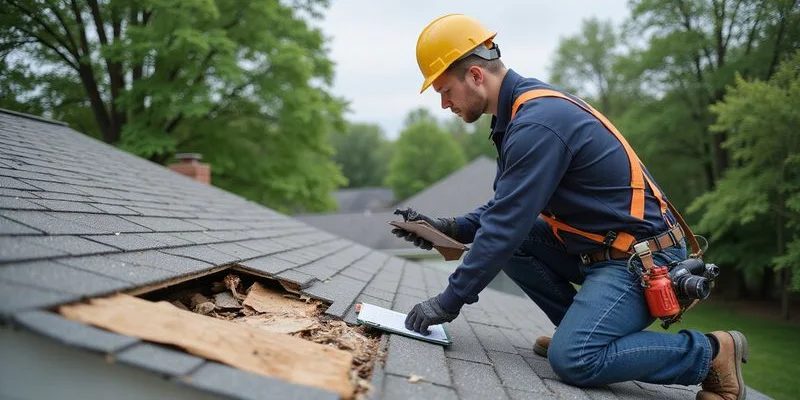
Step 4: Get a Professional Roof Inspection
Schedule an inspection with a local, licensed roofing contractor before the insurance adjuster arrives. A professional roofer works for you, while the adjuster works for the insurance company. You need an expert in your corner who knows what to look for.
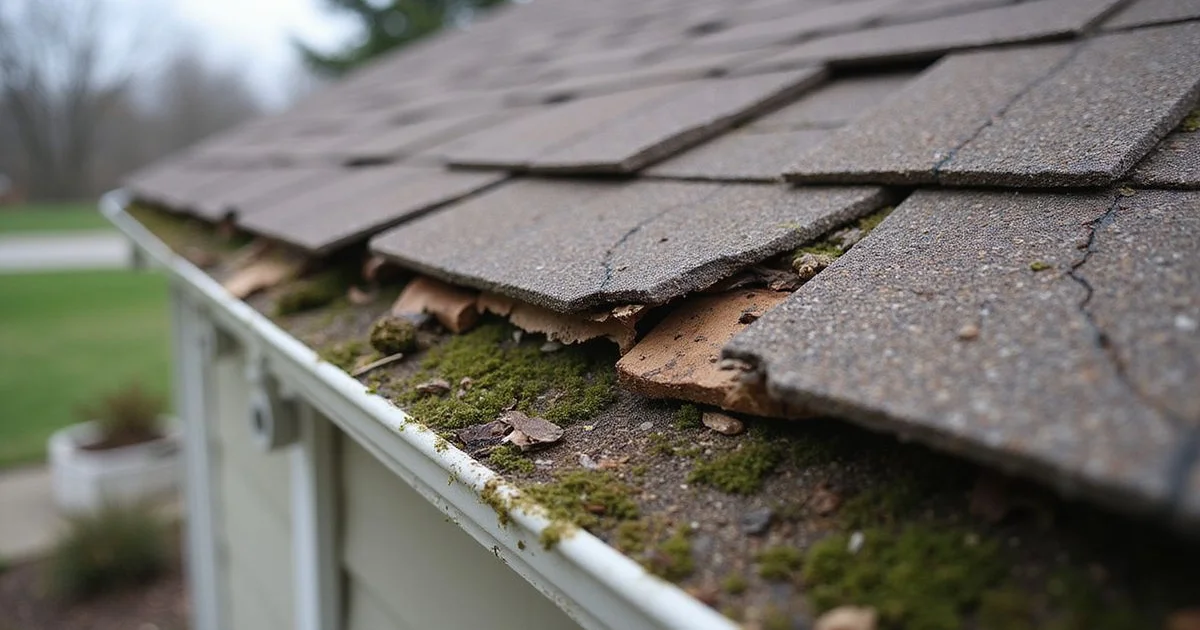
We often find damage that adjusters miss. Subtle signs like “bruised” shingles (where hail has compromised the matting but not broken the surface) are easily overlooked by an untrained eye but will lead to leaks later.
A proper contractor inspection report should include:
- Diagram of the Roof: Measurements of the square footage, pitch, and layers.
- Photos with Annotations: Circle the damage directly on the images.
- Scope of Work: A detailed list of everything that needs to be removed and replaced.
- Local Code Requirements: Identification of Ohio Building Code upgrades required during replacement.
At Fairfield Peak Roofing, we provide these comprehensive inspections for free. Our goal is to ensure you have a complete technical file ready to hand to the adjuster the moment they step onto your property.
Step 5: Meet with the Insurance Adjuster
The on-site inspection is the turning point of your claim. The adjuster’s report forms the basis of the initial settlement offer. You or your contractor must be there to influence this process.
Be Present Make sure you are home. You have the right to walk the property with the adjuster and point out the specific issues you documented in Step 1.
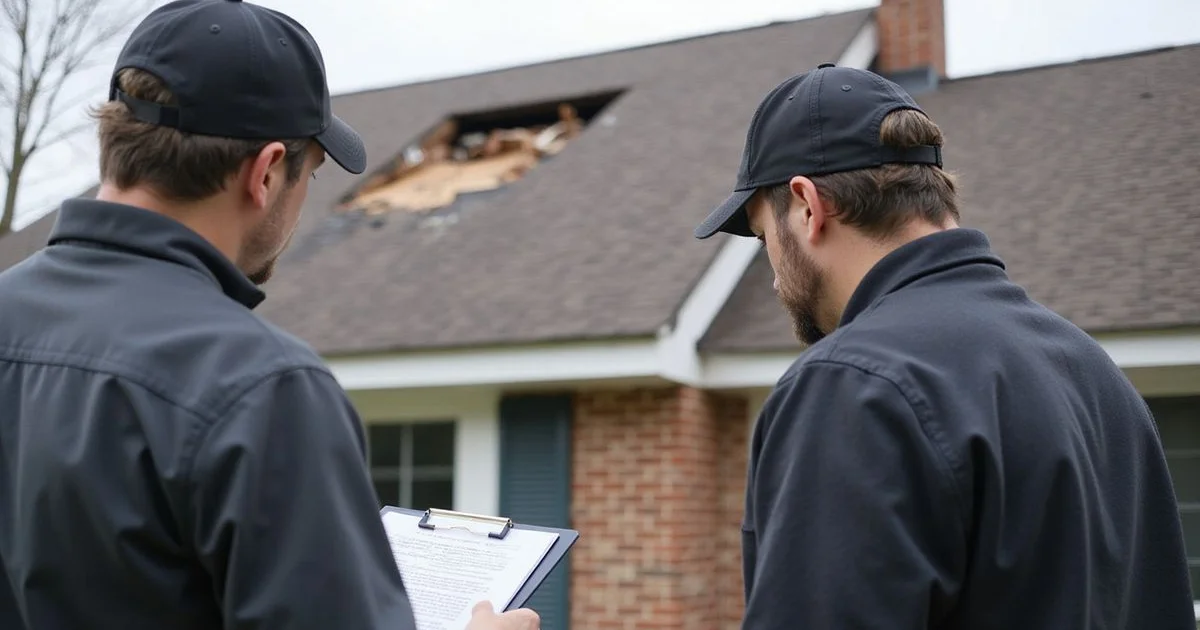
Have Your Contractor Present This is the most effective way to ensure a fair assessment. We meet adjusters on roofs every week. When a contractor is present, they can debate the damage in real-time using industry terms. It is much harder for an adjuster to ignore damage when a professional is pointing directly at it.
Discuss Scope, Not Price Focus on agreeing on what is damaged (the scope of loss). Do not argue about the price of a shingle bundle yet. If you agree that the East and North slopes need replacement, the pricing can be fixed later using standard industry software like Xactimate.
Step 6: Review the Settlement Offer
You will receive a settlement offer or a “Statement of Loss” after the inspection. Review this document line-by-line against the estimate your contractor provided.
Look for these common discrepancies:
- Missing Components: Did they include starter shingles, ridge caps, and drip edges?
- Wrong Waste Factor: Did they allow enough extra material for cutting and fitting (usually 10-15% for complex roofs)?
- O&P (Overhead and Profit): If the job requires three or more trades (e.g., roofing, gutters, and interior paint), you are typically entitled to an extra 20% for General Contractor Overhead and Profit. Insurers often omit this unless asked.
Code Upgrades are Critical Ohio building codes change over time. If your home was built in 1990, it likely lacks the ice and water shield or intake ventilation required today. If you have “Ordinance or Law” coverage, your policy must pay for these required upgrades.

Step 7: Supplement the Claim
Do not panic if the first check is low. This is just the starting offer. The insurance process allows for “supplements,” which are official requests for additional funds to cover missed items or price differences.
How the Supplement Process Works Your contractor will submit a document proving why the additional funds are needed. This might include photos of code requirements or invoices showing that local material prices have risen.
Request a Re-inspection You can demand a second look if the first adjuster denied obvious damage. We have seen many claims overturned on a second inspection, especially when a more experienced adjuster is sent out.
Know Your Rights The Ohio Department of Insurance oversees carrier behavior. You can file a formal complaint if you believe your insurer is acting in bad faith by delaying payment unreasonably.
Tips for Working with Major Carriers in Ohio
We work with all major insurance companies and have noticed specific patterns with each. Knowing these tendencies can help you prepare.
State Farm They rely heavily on specific criteria for hail damage (often requiring a certain number of hits within a 10-foot square). Your contractor needs to mark these squares clearly with chalk before the adjuster arrives.
Allstate Adjusters here often focus on “sudden and accidental” definitions. They may claim damage is older. Having dated storm reports is vital when dealing with Allstate.
Erie Insurance Generally, Erie is fair with Ohio homeowners. They are often quicker to approve full replacements under the matching statute than national carriers.
Nationwide Based in Columbus, they have a strong local presence. Their adjusters are usually well-versed in local codes, but you should still double-check that they included ice and water shield requirements for our region.
Common Mistakes That Can Hurt Your Claim
Avoid these specific errors to keep your claim valid:
- Waiving Your Deductible: It is illegal in Ohio for a contractor to pay, rebate, or waive your insurance deductible (Ohio Revised Code). Any contractor offering this is committing insurance fraud.
- Signing a “Contingency” Too Early: Read the fine print. Ensure you aren’t locking yourself into a contract before you know if the claim is approved.
- Accepting ACV as Final: If you have RCV coverage, the first check is just the ACV payment. You get the rest (recoverable depreciation) after the work is done and invoiced.
- Missing the Filing Window: File as soon as possible. Memories fade and evidence disappears.
We Are Here to Help with Your Insurance Claim
Filing a roof insurance claim requires attention to detail and patience. At Fairfield Peak Roofing, we have helped hundreds of homeowners in Lancaster and Fairfield County manage this process. We provide free storm damage inspections, meet directly with your adjuster, and handle all the technical supplements to ensure your roof is built to code.
Contact us today for a free inspection. We will assess your damage honestly and give you the data you need to make the right decision for your home.
Need Help with Your Roof?
Get a free inspection and estimate from Lancaster's most trusted roofing team.